
Anxiety isn't just feeling nervous before a presentation. For the 8 million people in the UK living with an anxiety disorder, it's a persistent, often overwhelming experience that affects every aspect of daily life. While medication and cognitive behavioural therapy remain frontline treatments, a growing body of evidence supports natural approaches — either as standalone interventions for mild-moderate anxiety or as complements to conventional treatment.
The Science of Anxiety
Anxiety involves a dysregulated stress response. Your sympathetic nervous system — the 'fight or flight' mechanism — becomes overactive, flooding your body with cortisol and adrenaline even when there's no real threat. This creates the familiar symptoms: racing heart, shallow breathing, muscle tension, digestive disruption, and intrusive thoughts.
Effective natural therapies work by activating the parasympathetic nervous system — your body's 'rest and digest' counterpart — and retraining your stress response over time.
Evidence-Based Natural Approaches
Breathwork
It sounds almost too simple, but structured breathing techniques are among the most potent tools for anxiety management. Research from Stanford University demonstrated that 'cyclic sighing' — a pattern of double inhales followed by extended exhales — reduces anxiety more effectively than mindfulness meditation in head-to-head trials.
The mechanism is direct: slow, diaphragmatic breathing stimulates the vagus nerve, activating the parasympathetic nervous system and physically calming the stress response. Just five minutes of structured breathwork can measurably reduce cortisol levels and heart rate variability.
Herbal Medicine
Several herbs have robust clinical evidence for anxiety:
- Ashwagandha: Multiple randomised controlled trials show significant reductions in anxiety scores and cortisol levels
- Passionflower: Comparable to benzodiazepines in some studies, without the sedation or dependency risk
- Lavender (oral): Silexan, a standardised lavender oil preparation, has strong evidence for generalised anxiety
- L-Theanine: An amino acid from green tea that promotes calm alertness without drowsiness
Important: Always consult a qualified herbalist or your GP before starting herbal supplements, especially if you're taking other medications.
Acupuncture
Acupuncture has been shown to modulate the autonomic nervous system, reduce cortisol, and increase the release of endorphins and serotonin. A 2024 systematic review found it significantly more effective than sham acupuncture for generalised anxiety disorder, with effects lasting well beyond the treatment period.
Yoga and Movement Therapy
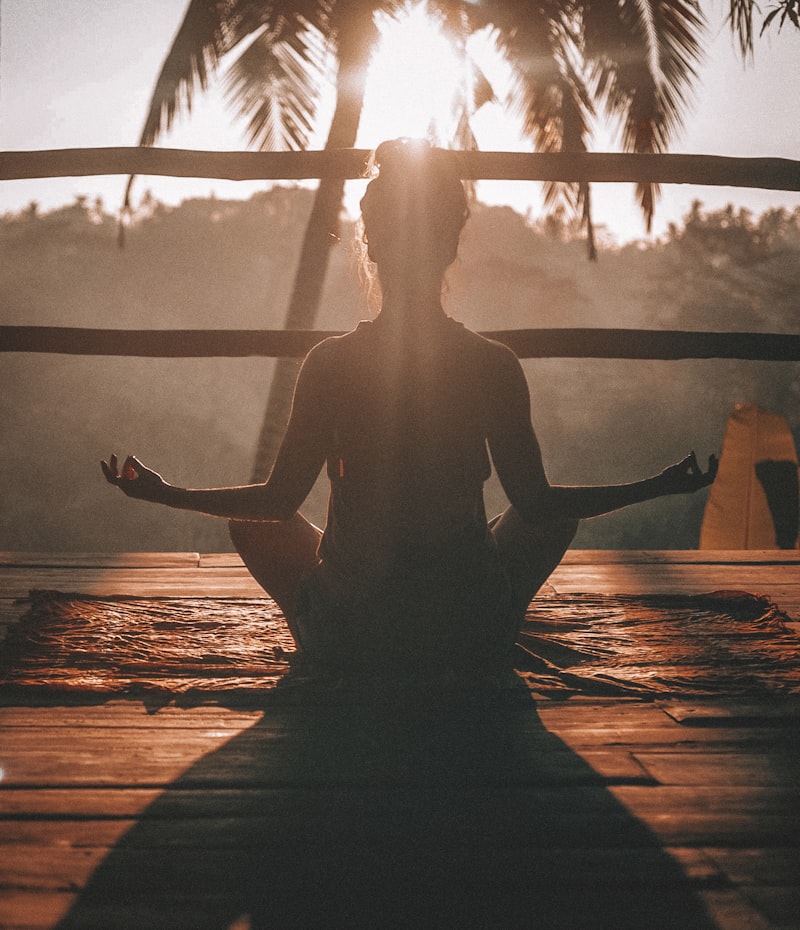
Yoga combines physical movement, breathwork, and mindful awareness — addressing anxiety on multiple levels simultaneously. Styles that emphasise slow, restorative practice and extended exhalation (such as Yin yoga or therapeutic yoga) tend to be most effective for anxiety. Regular practice has been shown to increase GABA levels in the brain — the same neurotransmitter targeted by anti-anxiety medications.
Nutritional Psychiatry
The gut-brain axis is no longer a fringe concept. Research consistently links gut microbiome composition to anxiety levels. Key nutritional strategies include:
- Increasing omega-3 fatty acids (anti-inflammatory, neuroprotective)
- Supporting gut health with fermented foods and prebiotic fibre
- Ensuring adequate magnesium intake (often depleted by chronic stress)
- Reducing ultra-processed foods, excess caffeine, and alcohol
Building Your Anxiety Management Toolkit
The most effective approach is rarely a single intervention. Consider building a personalised toolkit that might include daily breathwork, weekly acupuncture or yoga, targeted supplementation, and dietary adjustments. Track your symptoms over 8-12 weeks to identify what works best for you.
Natural approaches aren't about replacing professional mental health support — they're about expanding your options and taking an active role in your recovery.